Find the leak before it finds your floors.
Slab leaks, hidden supply-line pinholes, unexplained water-bill spikes — we locate leaks non-invasively with acoustic correlation and thermal imaging, then open only what the test tells us to open. 24/7 emergency response across Palm Beach County.
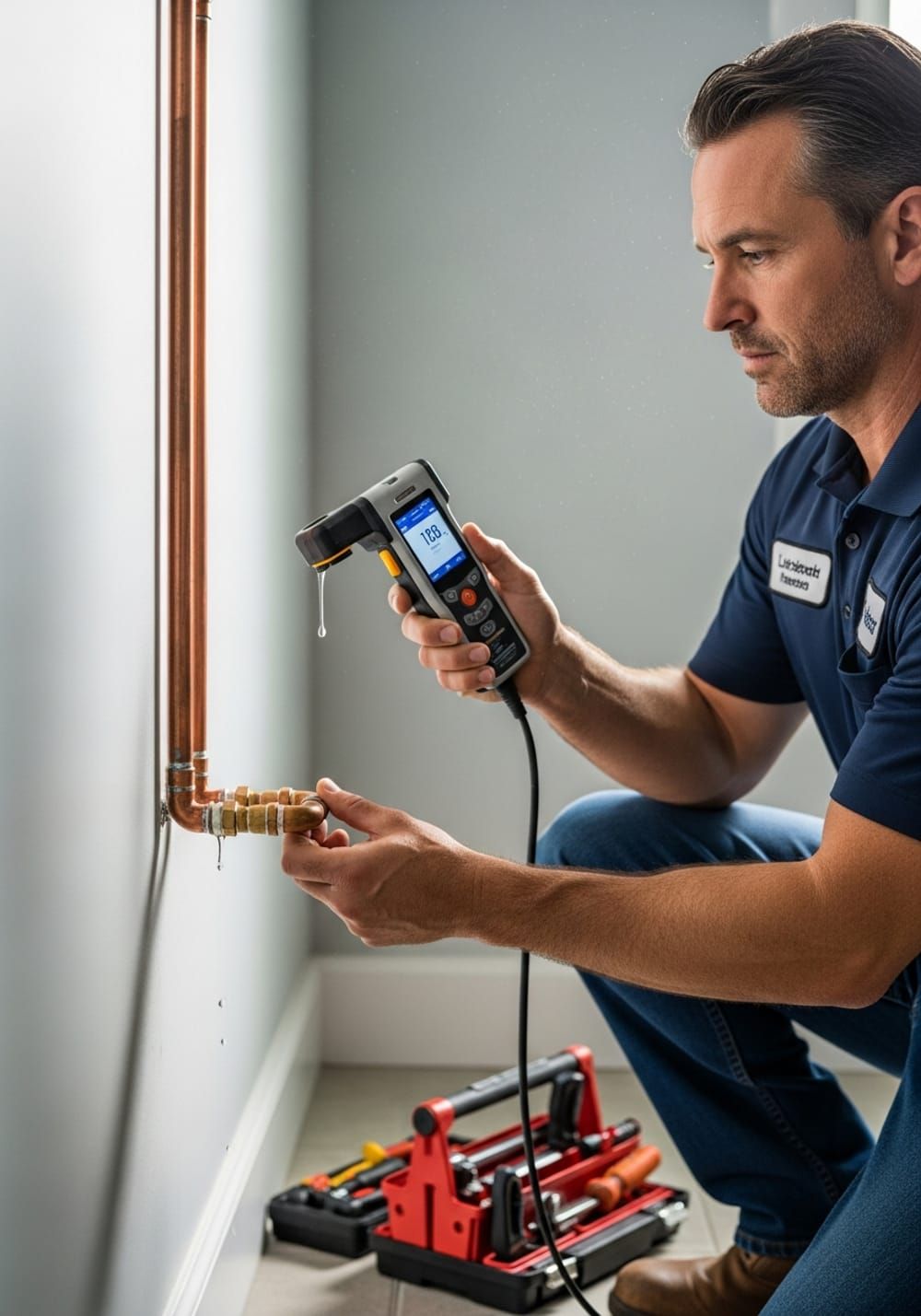
Locate the leak, not the wall
The old approach to a hidden leak was simple and destructive: open the wall or floor until you found the wet pipe. Modern professional leak detection reverses that — find the leak first, then open only the smallest necessary area. We do that with two complementary tools: acoustic detection, which listens for the sound signature a pressurized leak makes through soil and concrete, and thermal imaging, which reads temperature differentials through walls, slabs, and ceilings without touching them. Used together, they routinely narrow a slab or supply-line leak to within a few inches before a single tile is lifted.
For homeowners in Palm Beach County — where slab-on-grade construction puts supply lines directly under the concrete foundation — that precision matters enormously. A slab leak found early and opened surgically costs a fraction of one discovered after months of saturating the sand fill, shifting the foundation, and feeding mold in the flooring above. If your water bill jumped, your floor feels warm in a spot, or your meter moves when nothing is running, call us and we’ll find it.
Acoustic, thermal & pressure testing — the right tool for every leak
No single method catches every leak. We combine acoustic correlation, thermal imaging, and pressure testing to confirm both the location and the source — so the repair opens exactly what needs to be opened, and nothing more.
Acoustic vs. thermal — and why we use both
The question we hear most often is: “which leak-detection method do you use?” The honest answer is: both, because they solve different problems.
- Acoustic detection excels at buried supply lines and slab leaks. A pressurized pinhole makes a distinctive high-frequency hiss as water escapes under pressure; sensitive ground microphones and a digital correlator pick that sound up through concrete, tile, and several feet of soil and triangulate the position. It works best on pressurized lines — hot and cold supply — where the pressure amplifies the leak noise above the background.
- Thermal imaging excels at slow weeps, wall cavities, and situations where the acoustic signal is too faint — old clay pipe, very long pipe runs, or low system pressure. The camera reads the temperature difference between a wet area and the dry material around it. It also maps how far water has already migrated, which guides the dryout and mold remediation as much as the repair itself.
We pair them: acoustic narrows the zone, thermal confirms the moisture pattern. That combination means a single targeted core or tile lift rather than an exploratory trench — and a repair bill that reflects the actual problem, not exploratory guesswork. Not sure what a detection visit and repair might run? Our plumbing cost estimator gives you a realistic ballpark before you call.
| Acoustic | Thermal Imaging | Pressure Testing | |
|---|---|---|---|
| Best for | Slab & buried supply lines | Walls, ceilings & slow weeps | Isolating which branch is losing pressure |
| How it works | Listens for leak sound through concrete & soil | Reads temp differentials through surfaces | Pressurizes branches, watches for pressure drop |
| Invasive? | No — surface sensors only | No — camera, no contact | No — valve isolation only |
| Works on drain lines? | Limited (no pressure) | Yes — moisture mapping | No (drains not pressurized) |
| Precision | ±1–2 ft on slab | Moisture zone map | Identifies branch, not exact spot |
Why early detection pays for itself
Suspect a hidden leak? We locate it precisely before any demolition begins.
Book a Leak InspectionSlab leaks in Palm Beach County: common, costly, and preventable
Nearly every home in Palm Beach County is slab-on-grade — the concrete foundation is poured directly on the ground, and the water-supply lines run through or under that slab. Several Florida factors accelerate leaks in those buried pipes: acidic, mineral-heavy water corrodes copper from the inside; the clay-and-sand soil shifts seasonally with the wet and dry season; and the constant hot-water demand means the hot-side line runs at temperature all day, expanding and contracting against concrete until a pinhole develops.
The warning signs are easy to miss until the damage is expensive:
- A water bill that climbs month over month with no change in habits.
- Warm or hot spots on a tiled or concrete floor.
- The sound of running water when every fixture is off.
- Damp baseboards, discolored grout lines, or floor tiles lifting at the edge.
- A water meter that keeps moving during a 30-minute shut-off test.
- Mold or musty smell at floor level, especially in a corner or under a cabinet.
If any of these apply, the right move is an acoustic correlation test — not guesswork. We locate the break, walk you through repair options (targeted slab access vs. rerouting the line above the slab), and deliver a clear written estimate before any work begins. If your copper is aging throughout the home, see how a whole-home repipe compares — it often costs less than repeated targeted repairs on a system nearing end-of-life.
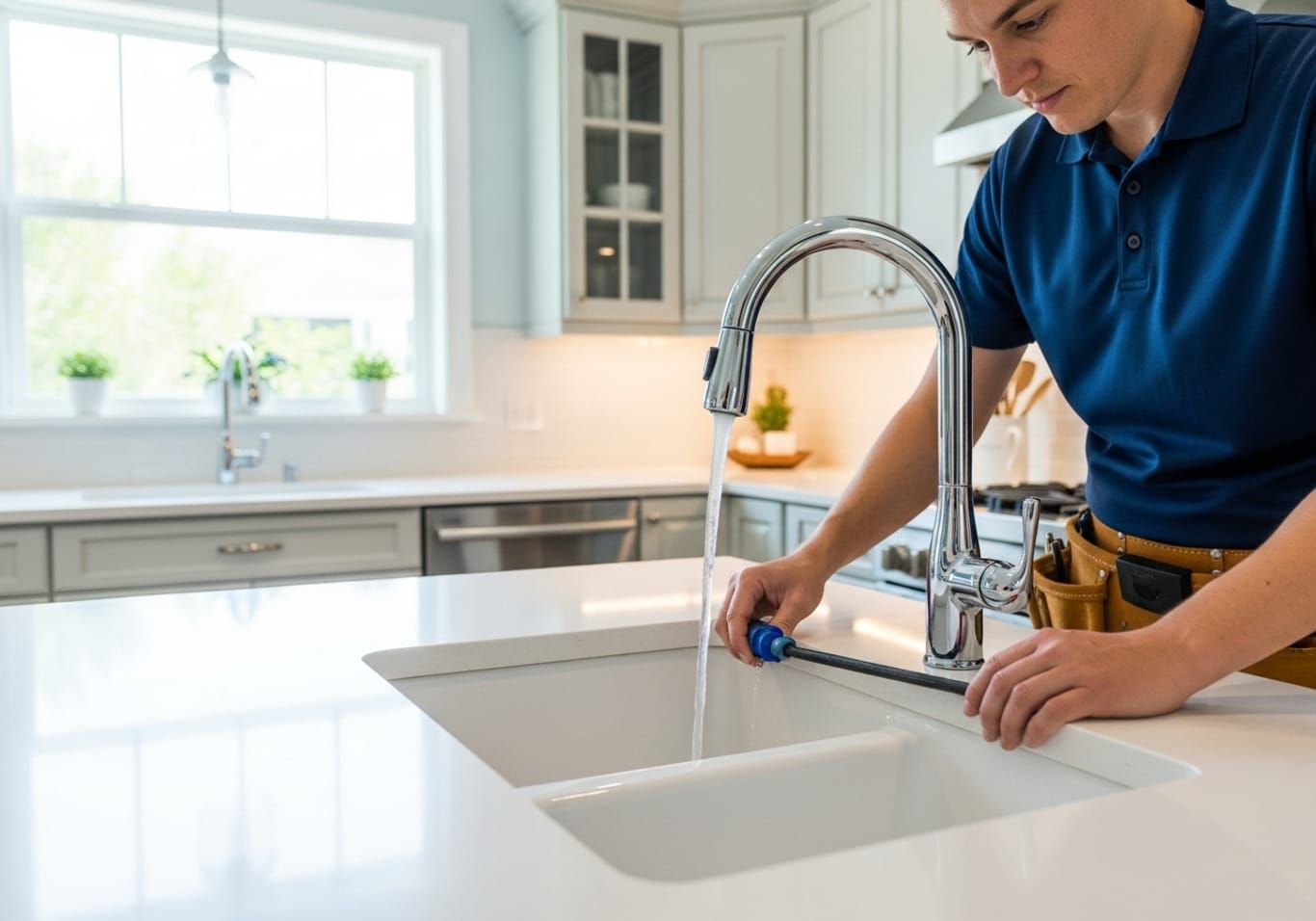
One inspection tells you exactly where the water is going.
A pinhole leak under a slab can run 5,000–15,000 gallons a month undetected — showing up as a bill spike with no visible sign above the floor. Our acoustic and thermal inspection pinpoints the leak, confirms the moisture migration, and gives you a same-day repair plan. No exploratory demolition, no surprises.
Leak detection FAQs
How do I know if I have a hidden leak?
What is acoustic leak detection and how does it work?
What is a slab leak and why is it serious?
Can you detect a leak without cutting into my walls or floors?
Why is my water bill suddenly so high?
Leak detection across Palm Beach County
- Palm Beach Leak detection
- West Palm Beach Leak detection
- Palm Beach Gardens Leak detection
- Jupiter Leak detection
- Boca Raton Leak detection
- Wellington Leak detection
- Delray Beach Leak detection
- Boynton Beach Leak detection
- Lake Worth Beach Leak detection
- Royal Palm Beach Leak detection
- Singer Island Leak detection
Know exactly where your leak is before any concrete is opened.
A Palm Beach County plumber brings acoustic and thermal equipment to your home, locates the leak precisely, and walks you through the repair options and written cost — no exploratory demolition, no call center.